
Heel Pain Treatment
Heel pain is one of the most common reasons patients seek podiatric care. Discomfort in the heel can develop gradually or appear suddenly, often making it difficult to walk, exercise, stand for long periods, or complete normal daily activities. Heel pain may affect the bottom, back, or sides of the heel and can range from mild irritation to persistent pain that worsens over time.
At Southwest Foot & Ankle Center, our foot and ankle specialists provide evaluation and treatment for heel pain throughout the Dallas–Fort Worth area, including Plano and DeSoto. Early treatment can help reduce discomfort, improve mobility, and prevent the condition from progressing.
What Causes Heel Pain?
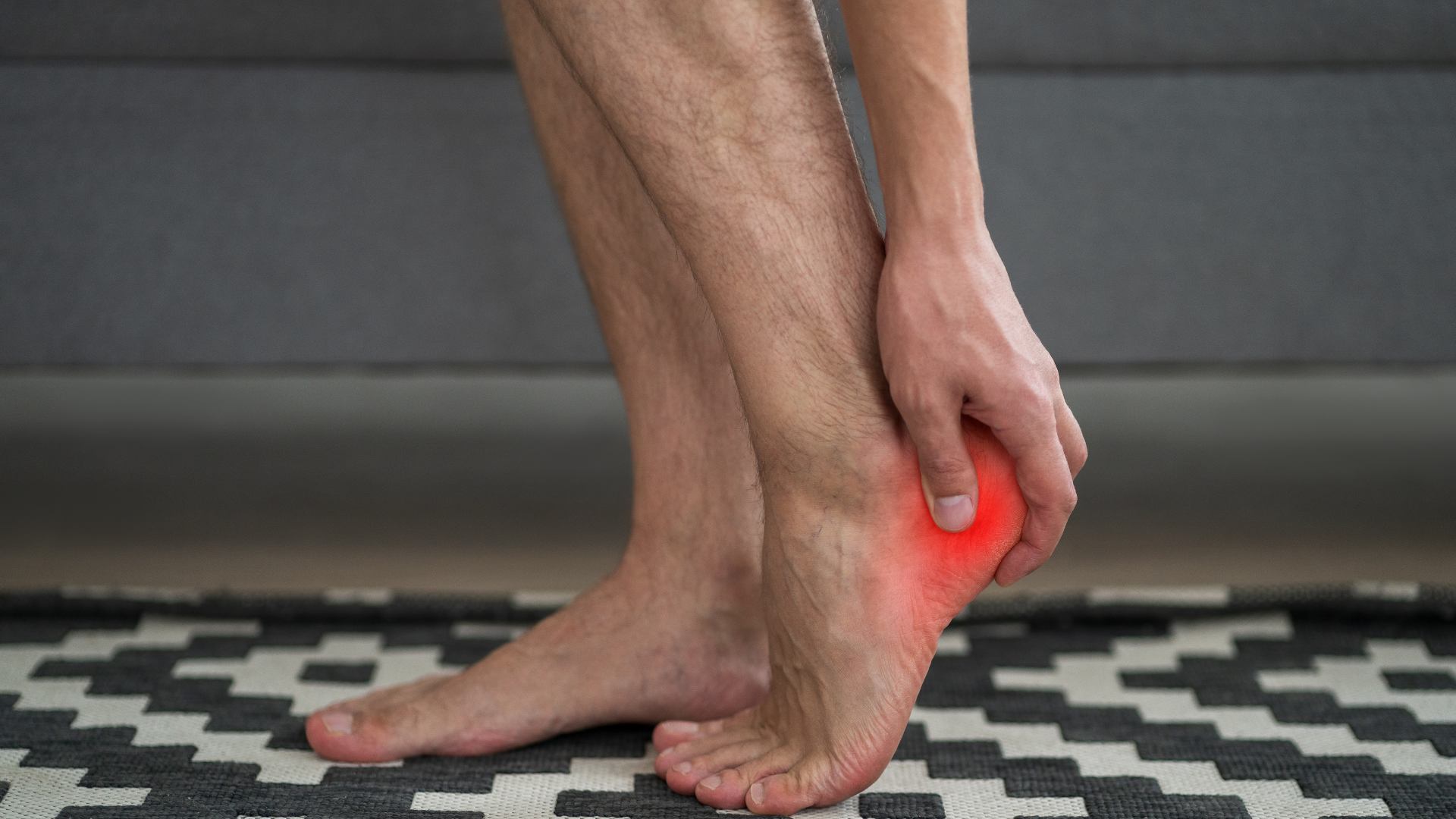
Close-up image of a foot with highlighted pain or inflammation near the heel.
Heel pain can develop from several different foot and ankle conditions. The heel absorbs significant pressure during walking and standing, making it vulnerable to strain and inflammation over time.
Common causes of heel pain include:
plantar fasciitis
heel spurs
overuse or repetitive stress
inflammation of surrounding tissues
tight calf muscles or Achilles tendon strain
improper foot mechanics or alignment
prolonged standing or walking on hard surfaces
wearing unsupportive footwear
Because multiple conditions can contribute to heel pain, proper evaluation is important to identify the underlying cause and determine the most appropriate treatment approach.
Frequently Asked Questions About Heel Pain
-
Heel pain can develop from several different conditions affecting the foot and ankle. Common causes include plantar fasciitis, heel spurs, overuse, inflammation, strain on the surrounding tissues, tight calf muscles, and improper foot mechanics. Wearing unsupportive footwear or spending long periods standing or walking may also contribute to heel pain.
-
Plantar fasciitis commonly causes pain on the bottom of the heel, especially during the first steps in the morning or after periods of rest. Patients may also experience stiffness, tenderness, or discomfort that worsens after prolonged standing or activity.
-
A podiatrist will evaluate your symptoms, medical history, walking pattern, and foot structure during your appointment. The area of discomfort will be examined to help determine the underlying cause of the pain and identify the most appropriate treatment approach.
-
Treatment depends on the cause and severity of the condition. Recommendations may include supportive footwear, stretching exercises, activity modifications, reducing pressure on the heel, and addressing foot alignment concerns. Early treatment often helps reduce inflammation and improve mobility.
-
You should consider seeing a podiatrist if heel pain lasts longer than several days, continues to worsen, affects walking or standing, or interferes with work, exercise, or daily activities. Early evaluation can help prevent the condition from progressing.
-
Some cases of mild heel discomfort may improve with rest and reduced strain, but persistent heel pain often continues or worsens without proper treatment. Ignoring symptoms may lead to increased inflammation and additional strain on other areas of the foot and body.
-
Heel pain may worsen with prolonged standing, walking on hard surfaces, high-impact activity, wearing unsupportive shoes, or continuing activities that place excessive stress on the heel. Symptoms are often more noticeable after periods of rest or increased activity.
-
Recovery time varies depending on the underlying condition, severity of symptoms, and how long the pain has been present. Some patients experience improvement relatively quickly, while more persistent conditions may require ongoing treatment and monitoring.
-
Heel spurs are bony growths that can develop over time due to strain and inflammation. Not all heel spurs cause pain, and many patients improve with conservative treatment focused on reducing irritation and stress on the heel.
-
Southwest Foot & Ankle Center provides heel pain evaluation and treatment throughout Plano, Irving, Lewisville, and DeSoto. Patients can contact the office directly to schedule an appointment and discuss their symptoms with the care team.
Symptoms of Heel Pain
Heel pain symptoms can vary depending on the condition causing the discomfort. Some patients experience pain primarily in the morning, while others notice symptoms after activity or prolonged standing.
Common symptoms may include:
pain on the bottom of the heel
sharp or stabbing discomfort when walking
heel pain after periods of rest
tenderness or inflammation near the heel
stiffness in the foot or ankle
pain that worsens throughout the day
discomfort during exercise or activity
Symptoms may gradually worsen if the underlying condition is not addressed.
When to See a Podiatrist for Heel Pain
Persistent heel pain should not be ignored, especially if it begins interfering with walking, standing, exercise, or daily activities. Early treatment can often help prevent worsening symptoms and reduce long-term strain on the foot.
You should consider evaluation if:
heel pain lasts longer than several days
walking becomes uncomfortable
pain is affecting work or activity levels
symptoms continue to worsen
swelling or inflammation develops
home remedies are not improving symptoms
A podiatrist can evaluate the source of heel pain and recommend treatment options based on the severity and cause of the condition.
Heel Pain Treatment Options
Heel pain treatment focuses on reducing inflammation, relieving pressure on the heel, improving foot function, and addressing contributing factors that may be causing strain.
Treatment recommendations may include:
activity modifications
supportive footwear recommendations
stretching exercises
reducing strain on the heel
addressing foot alignment concerns
monitoring inflammation and symptoms
The appropriate treatment plan depends on the cause and severity of the heel pain.
How Heel Pain Can Affect Daily Activities
Heel pain can significantly affect mobility and quality of life. Even mild discomfort may lead to changes in walking patterns, which can place additional strain on the feet, ankles, knees, hips, and lower back.
Patients experiencing heel pain may notice:
difficulty walking comfortably
discomfort during exercise
reduced activity levels
limping or altered gait
increased fatigue from standing or walking
Addressing heel pain early can help improve comfort and prevent secondary issues related to compensation and imbalance.
Preventing Heel Pain
While heel pain cannot always be completely prevented, certain habits may help reduce stress on the feet and lower the risk of recurring symptoms.
Preventive measures may include:
wearing supportive footwear
avoiding prolonged strain on the feet
stretching regularly
maintaining healthy foot mechanics
addressing foot discomfort early
avoiding worn or unsupportive shoes
Patients who experience recurring heel pain should seek evaluation to help prevent worsening symptoms.
Heel Pain and Related Foot Conditions
Heel pain is often associated with other foot and ankle conditions that can contribute to discomfort or affect overall foot function. Identifying related conditions can help support more effective treatment and long-term relief.
Patients may also benefit from evaluation for:
plantar fasciitis
heel spurs
foot and ankle care
diabetic foot care
A comprehensive evaluation helps ensure all contributing factors are properly addressed.
We’re Here to Help
Southwest Foot & Ankle Center provides heel pain evaluation and treatment throughout the Dallas–Fort Worth area, including Plano, Irving, Lewisville, and DeSoto.
If you are experiencing persistent heel pain, discomfort while walking, or symptoms affecting your daily activities, our podiatry team can help determine the best course of treatment. You can contact us to get started.